Which Reverse Osmosis Water Purification System to Choose?

With growing concerns over water pollution, reverse osmosis (RO) water purification systems have become a key solution for ensuring safe drinking water. However, the wide variety of RO systems available can make choosing the right one for your household a challenge. This article will provide a practical guide to selecting an RO system by explaining key factors such as how it works, filter membrane types, purification performance, and cost considerations.
How Reverse Osmosis Works
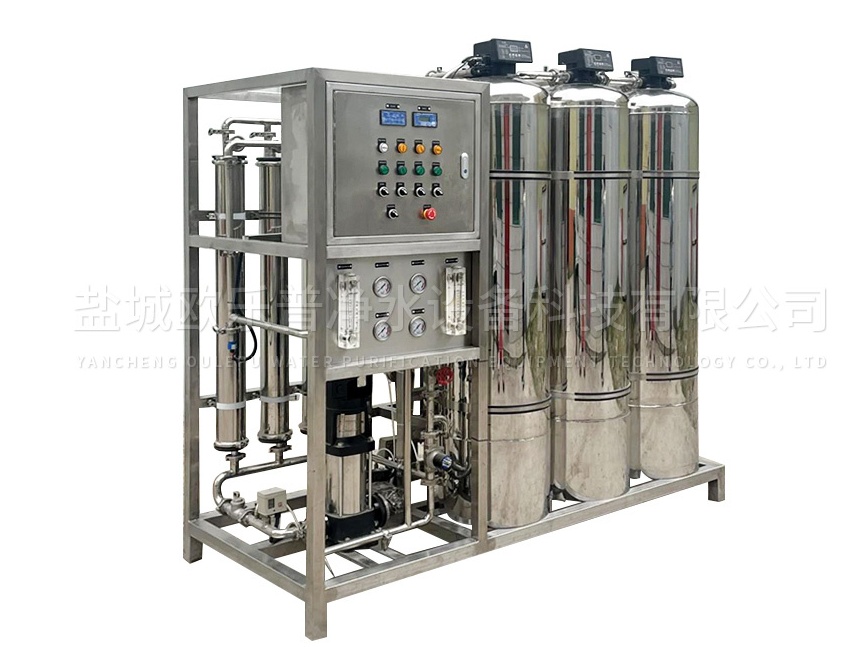
Reverse osmosis is a filtration process that uses pressure to push water through a semi-permeable membrane with extremely fine pores. The system typically includes pre-filters that remove larger impurities like sediment, colloids, and organic matter. Then, water is forced through the RO membrane, which filters out dissolved ions—including sodium, calcium, magnesium, and heavy metals—as well as microorganisms such as bacteria and viruses. The result is clean, purified water with significantly reduced contaminants.
Understanding Filter Membrane Options
The type of RO membrane used is a major factor in system performance. Common options include:
- Polyester membranes: Offer good water permeability and lower bubble points, suitable for general filtration.
- Polyamide membranes: More resistant to fouling, making them a better choice for areas with poorer water quality.
- Spiral-wound membranes: A newer design that provides high water flow, strong contaminant rejection, and good resistance to clogging.
Selecting the right membrane depends on your local water quality. If your water has high sediment or organic content, a more durable, fouling-resistant membrane may be preferable.
Evaluating Purification Performance
A system’s effectiveness is measured by its contaminant removal rates. Look for performance data or test reports showing removal efficiency for heavy metals, pesticides, nitrates, and microorganisms. Higher-grade systems often provide detailed certification from recognized testing organizations. Some modern RO units also feature smart monitoring—allowing you to check water quality in real time via a mobile app—which adds convenience and transparency.
Cost Considerations
RO systems are available at a wide range of prices. While higher-cost models often deliver better purification, longer membrane life, and advanced features, it’s important to match your choice to both your budget and your actual water quality needs. Avoid overspending on unnecessary capabilities, but also be wary of models that seem unusually cheap, as they may compromise on material quality or filtration effectiveness.
Making the Right Choice
Start by testing your home’s water to identify key contaminants. Compare systems based on certified performance data, membrane type, maintenance requirements, and long-term costs such as filter replacements. Reading independent reviews and user feedback can also provide real-world insights. Ultimately, the best system is one that effectively addresses your water quality issues, fits your household usage, and stays within your budget.
By taking a balanced, informed approach, you can select an RO water purifier that reliably safeguards your household’s drinking water for years to come.
Need a personalized recommendation?
Please provide the following information, and we will match you with the most suitable system:
- Raw water source (e.g., tap water, groundwater)
- Purpose of water use (household drinking or commercial use)
- Daily water consumption
We can then recommend a solution of water treatment appropriate based on your specific situation.